Featured: The United Nations meets blockchain in the neon future
WHY THE UNITED NATIONS MATTERS MORE THAN EVER
Lessons from the Trump-Xi Summit and the Ever-More-Powerful Banking Cartel
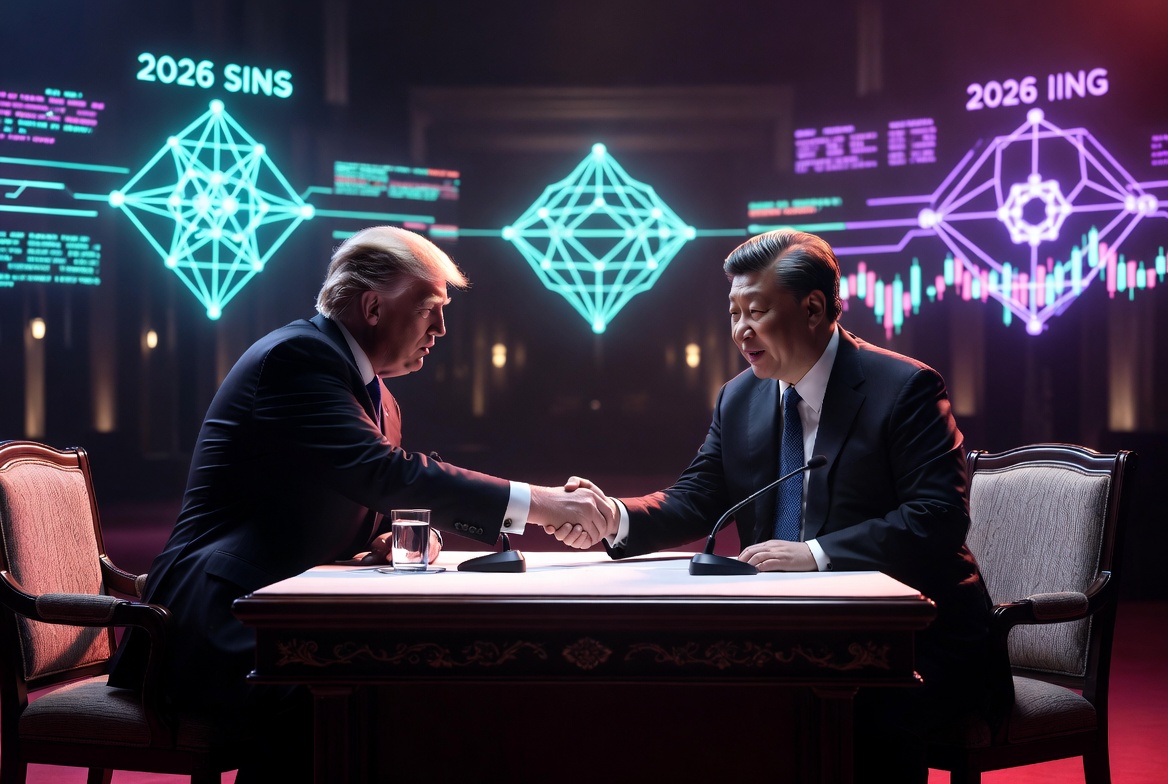
Trump and Xi Jinping at the Beijing Summit 2026
Just days ago, President Trump concluded a high-profile bilateral summit with Xi Jinping in Beijing. While the two leaders celebrated new trade agreements, the meeting once again highlighted a dangerous trend: superpowers increasingly prefer private bilateral deals over the multilateral institutions designed to protect the global majority.
International Law Is Being Ignored — Bilateral Deals Are the New Normal
From protracted conflicts that defy UN resolutions to unilateral sanctions and backroom superpower summits, the post-1945 rules-based order is under unprecedented strain. The recent Trump-Xi talks — focused on tariffs, technology, and geopolitics — are the latest example of major powers writing their own rules while the United Nations Security Council and General Assembly are sidelined.
Yet the United Nations remains the only truly global forum where 193 member states — from the smallest island nations to the largest economies — can debate, negotiate, and forge consensus. Dismissing the UN because it is imperfect is to surrender the last meaningful arena capable of restraining raw power politics.
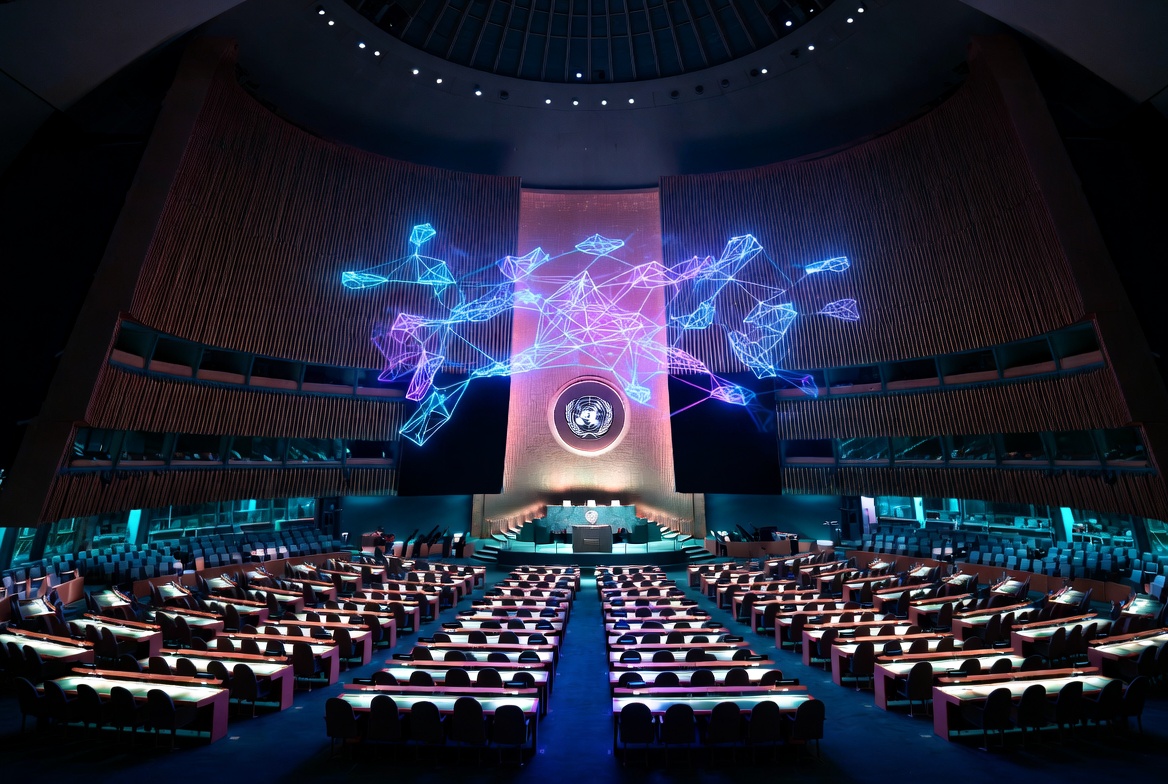
United Nations General Assembly Hall, New York
The Banking Cartel’s Growing Shadow
While geopolitics fractures into bilateral deals, a different kind of power consolidates: the ever-more-powerful banking cartel. Central banks, major commercial institutions, the IMF, and the World Bank continue to shape a global financial system in which debt, monetary policy, and access to capital determine the fate of entire nations.
Developing countries remain trapped in cycles of structural adjustment and crushing interest payments that dwarf their ability to invest in health, education, or climate resilience. Meanwhile, financial elites enjoy bailouts and policy influence that ordinary citizens can scarcely comprehend.

Decentralized blockchain technology as a force for transparency
Blockchain as the People’s Counterweight
This is where the technologies at the heart of UN Blockchain Week become revolutionary. Decentralized ledgers, Bitcoin, smart contracts, and transparent on-chain governance are not anti-UN — they are powerful force multipliers for the very multilateral ideals the UN was founded to uphold.
Imagine UN aid programs audited in real time on public blockchains, tokenized development finance that bypasses extractive intermediaries, and decentralized identity systems that give the unbanked real economic standing — without asking permission from any cartel.
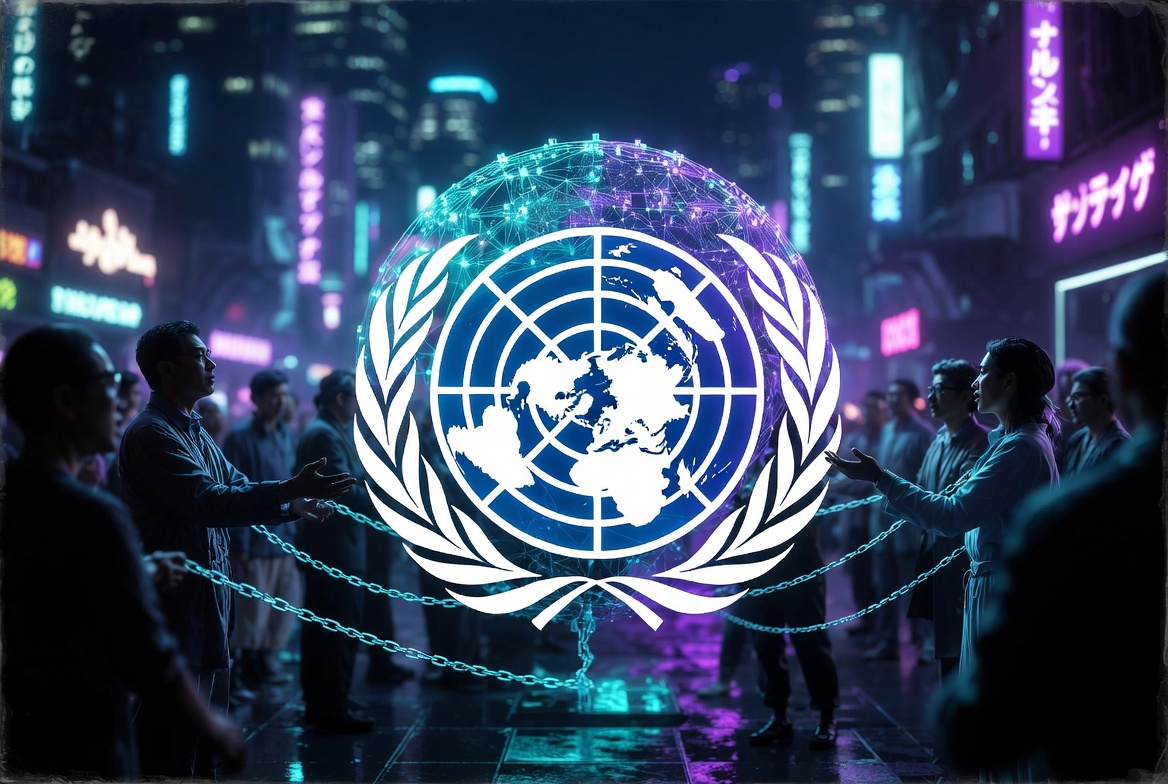
The future: Multilateral governance meets decentralized technology
A Call to Action at UN Blockchain Week 2026
As we gather in New York this September during the United Nations General Assembly and New York Fashion Week, let us move beyond panels and handshakes. Blockchain builders, policymakers, and civil society leaders must commit to concrete partnerships that strengthen multilateral institutions while equipping ordinary people with the financial tools they need to resist concentrated power.
The era of ignoring international law while a banking cartel writes the rules is unsustainable. The United Nations gives us the forum. Blockchain gives us the technology. The only missing ingredient is collective will.
People must get together. The table is already set — it is called the United Nations.
Leave a Reply